Most of the ideas in my first and second iteration of this still hold up. Here’s another batch.
Fouling:
The fouling system gets worse every year. Every sport has penalties to discourage players from breaking the rules. That makes sense. But when players deliberately leverage the calling of penalties to get the other team in trouble — no one want to see that. No one likes it when quarterbacks huck up the long bomb to get a defensive interference call. No one likes soccer players flopping to get a penalty call. No one likes seeing NBA teams and players manipulate the rules to get free throws. It’s awful and contrary to the whole idea of sports. And the actual taking of the free throws slows everything down, ruins the flow of the game, and generally makes the entire game experience worse.
If an offensive player creates contact, it should be an offensive foul – even if the defensive player wasn’t in “guarding position” or didn’t have their feet set outside the circle. I’m sick of offensive players deliberately running into other players and getting a call as if the other person broke a rule.
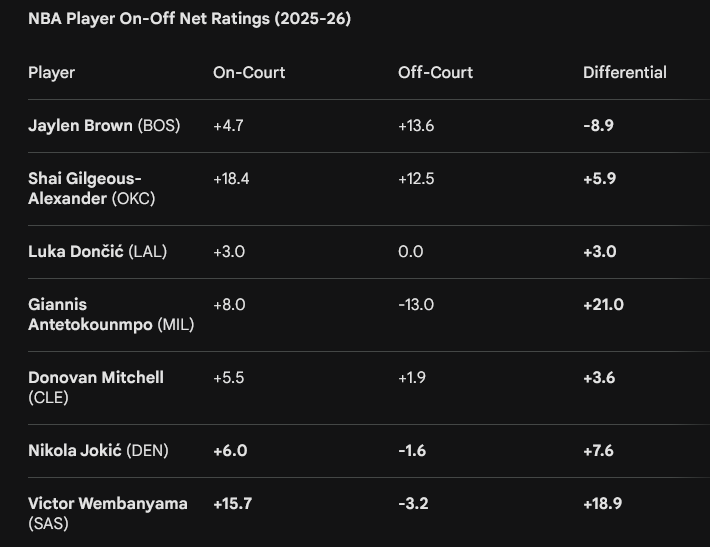
Is anything worse than stars who pad their stats by playing the refs? Ever seen Giannis run full speed into some defender just standing there and then get the call? Ever seen Luka purposefully take a bad shot to create contact? How about SGA. Or Harden whipping his arms up through a defender to create contact. Or Trae Young. These guys are the worst, but they are rational actors responding to a bad incentive system. Referees – please call an offensive foul even if the defender didn’t fall over. Why do they have to pretend they were just punched by The Juggernaut to get a call. Shaq was right.
Go back to calling flopping. The league made this a rule in 2012 and re-emphasized in 2023. They can review flops during or after the game and give out technical fouls and fines after the game. Do it. There’s not much worse than watching the behemoths act like they just took an uppercut from Tyson twenty times a game.
Technical fouls should be an automatic point. Why waste time having the best shooter take a virtually automatic free throw? Let’s keep things moving! Give them the point and move on.
Call technical fouls on superstars. We all know who the whiners are. The same guys who play for fouls instead of for baskets and try to work the refs. Luka should get technicals almost every game. Kick him out of a few games and he’ll shut up. Maybe the energy he uses for mouthing off and pouting like an infant could be used to play defense occasionally.
Other Improvements:
Calm down with the uniform variants. Teams have four, sometimes five, uniforms. Association (Home), Icon (Away), Statement, City, and sometimes Classic. It’s gone too far.
Call traveling. Every game features many times players take many steps. By rule, the count of steps begins at the “gather”. If a player’s foot is on the floor at the exact moment they gather the ball, that is considered Step 0. It does not count toward the two-step limit. “On moves like the Eurostep or Step-back jumper, elite players time their gather so they are mid-stride. They “gather” while one foot is on the ground (Step 0), then take two full explosive steps (Step 1 and Step 2). To a casual observer, this appears to be three steps, but under the technical definition of the gather, it is legal.” Maybe it’s legal, but it’s awful. When Giannis can take five steps at full speed and breathing on gets him free throws… that’s not fun to watch. When Jaylen Brown takes two steps, comes to a full stop, ducks under another player and takes another step to the basket — that’s traveling. C’mon.

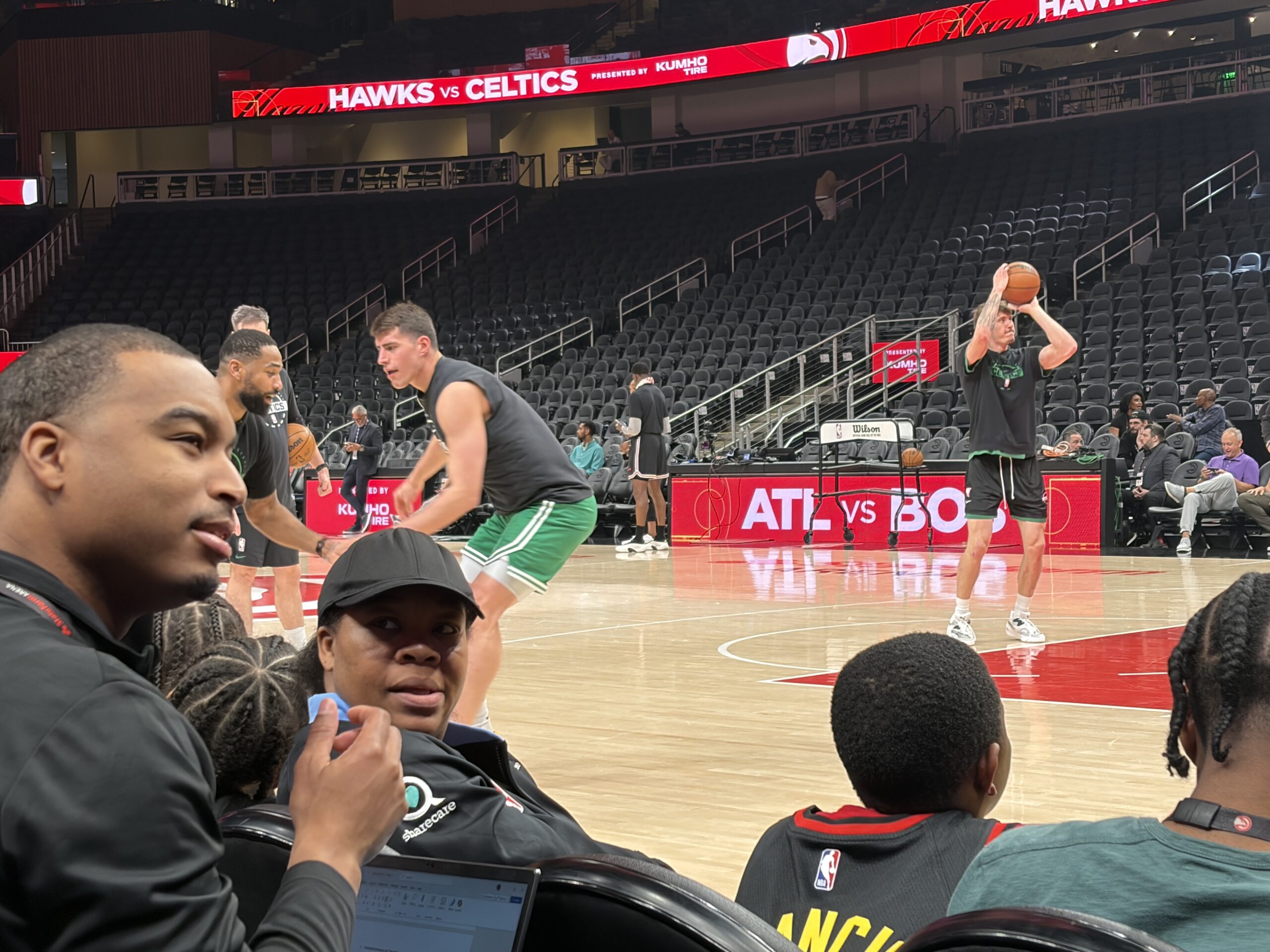
The overall style of play has gotten boring. We need to promote cutting, we need to promote posting up. I don’t know how. I’m bored with seeing the same plays over and over: picks on the perimeter, drive it in, kick it out to some guy standing in the corner. It’s bad for the sport that 40% of the players on any given play are just standing in the corners waiting to take a three pointer. My own Celtics have perfected this style. Each year more and more shots are three-pointers. It’s mathematically correct and bad for the entertainment product. Too many plays look the exact same. Any ideas how? (This is for you Pete!)
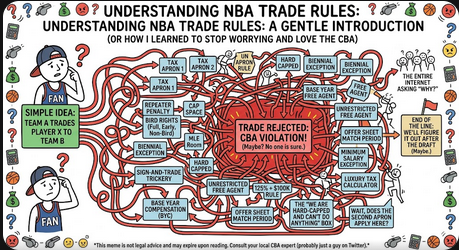
Simplify the salary cap and aprons and trade rules. All the rules were created for a good reason. But it’s insane now. A regular person should be able to understand the salary rules. I spent fifteen minutes investigating what was unlocked when the Celtics got under the first apron, and I still don’t know for sure.
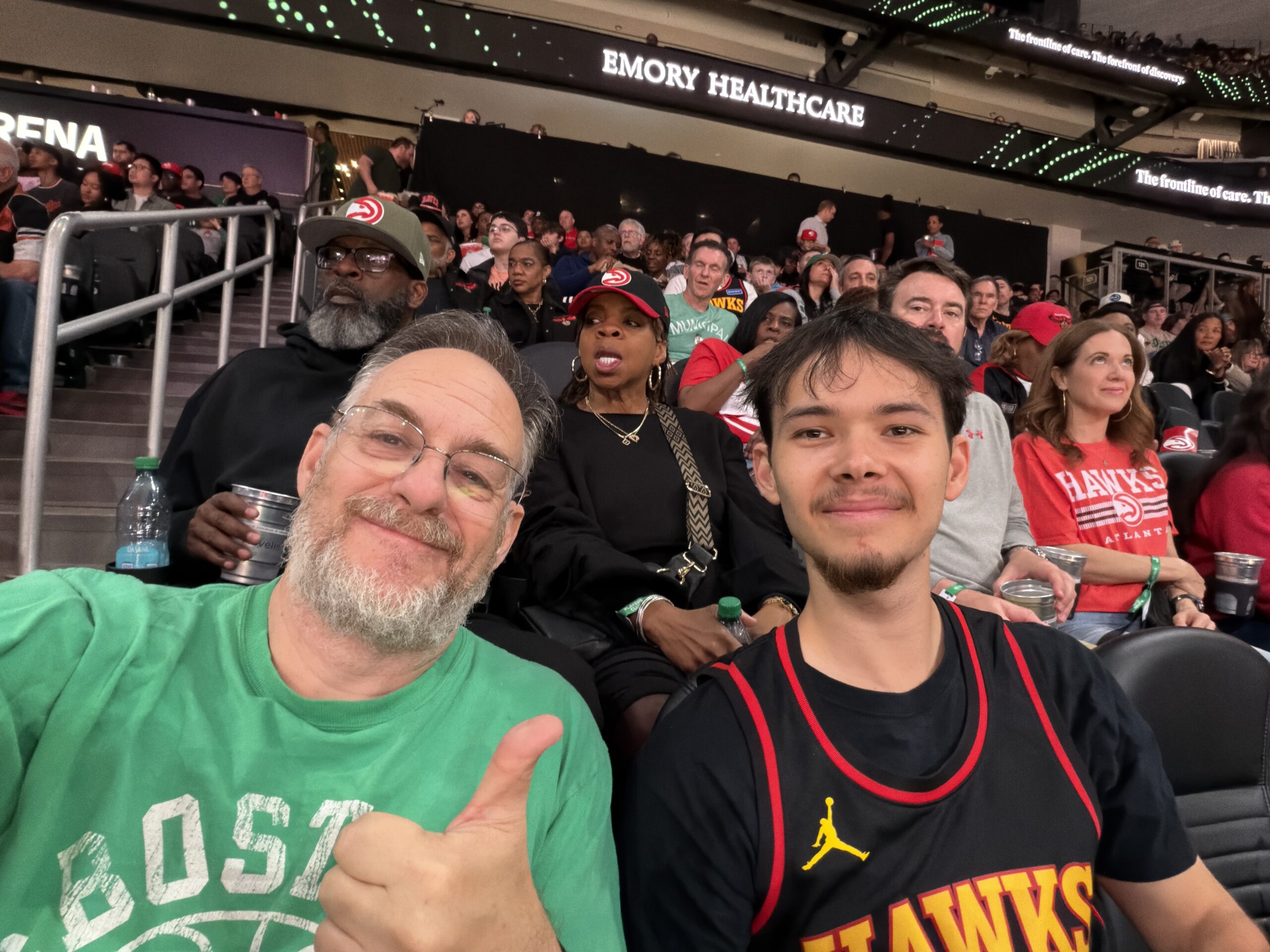
Eliminate the broadcast blackout rules. They didn’t make much sense in the first place and they make less sense in the age of streaming. I have NBA pass. I use it to watch almost every Celtics game. I also like to watch the Hawks. I have NBA pass because it’s a benefit of being a Hawks season ticket holder. But unless the Hawks are on network TV I can’t watch them. NBA Pass doesn’t let me see them. I can’t watch them. The absurd FanDuel network isn’t on YouTube TV. Amazon says I have to use NBA League Pass (infinite loop). Getting NBA streams from Reddit is probably putting malware on my phone. Why can’t I watch them from my TV room? Let me tell you a secret – this blackout isn’t going to make me sign up for FanDuel or go to more live games. I got NBA pass because I’ve already paid to see The Hawks live! Surely there is a solution. Revshare some amount back to the appropriate parties. I am already paying the NBA for League Pass, so I can watch every game, it’s supposed to be a pass for the entire league. The only exception, the only team I can’t actually watch, is my actual home team. This is bewildering and stupid.
Awards (MVP, Most Improved, Rookie of the Year, etc.): These should be voted on after the year is over. Playoff performance should matter. Throw out 65 game limits, and any kind of eligibility threshold. If the voters think someone should get MVP who only played 50 games, then they can vote for that. Everyone has their own version of what “most valuable” means anyhow. Either the league lays out exact criteria (in which case we don’t need to vote), or they should stay out of the way.